





How Do I Know If My AC Capacitor Is Bad
December 15, 2025
Your air conditioner works tirelessly to keep your home comfortable, and one small component, the capacitor, plays a crucial role in that process. If the capacitor fails, your AC may struggle to start, make strange noises, or lose cooling efficiency.
Identifying a failing AC capacitor early can save you from a costly breakdown and uncomfortable days at home. In this guide, we’ll break down everything you need to know about AC capacitors, the warning signs of failure, testing methods, and what to do if it goes bad.
Understanding AC Capacitors
What is an AC Capacitor?
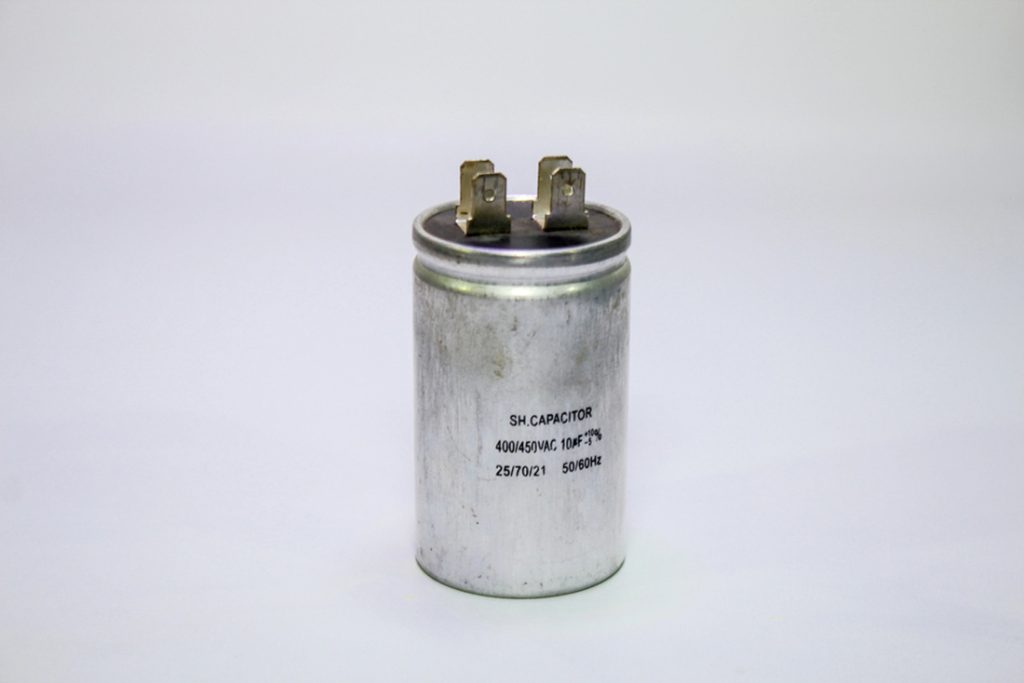
An AC capacitor is a small cylindrical device, usually mounted near the compressor or fan motor, that stores and releases electrical energy. Think of it as a tiny battery that gives your AC motor the boost it needs to start and run smoothly. Without it, your system can struggle to power essential components like the compressor and fan, leading to inefficient cooling or a system that won’t start at all.
Capacitors come in different types, such as start capacitors and run capacitors. A start capacitor provides a high burst of energy to get the motor running, while a run capacitor helps maintain smooth operation once the motor is running. Both types are essential for your AC to function optimally.
Role of the Capacitor in Your AC System
The capacitor essentially acts like an energy jump-starter. When your AC unit receives power, the capacitor releases stored electricity to help the compressor and fan start. After startup, it continues to supply small amounts of energy to maintain efficient operation. A failing capacitor can create problems such as:
- Motors struggling to start
- Loud humming or buzzing noises
- Reduced airflow
- Higher energy consumption
Without a functioning capacitor, your AC will be under strain, potentially leading to further mechanical issues.
Common Signs of a Failing AC Capacitor
AC Won’t Start or Struggles to Turn On
One of the most obvious signs of a bad capacitor is difficulty starting your AC. If your unit refuses to start or requires multiple attempts, the capacitor may not be supplying enough energy to kickstart the motors. In some cases, you might notice a brief surge or a clicking sound as the system attempts to power on but fails.
Humming or Clicking Noises
Humming or buzzing sounds coming from your AC are often the first auditory clues that the capacitor is failing. You may also hear clicking or popping noises as the motors attempt to start. These noises are caused by the motor drawing extra current to compensate for the weak capacitor.
Reduced Cooling Efficiency
A failing capacitor may allow your AC to run, but not at full strength. If your home isn’t cooling properly or some rooms remain warmer than others, a bad capacitor could be the culprit. Reduced efficiency can also lead to increased energy bills as the system works harder to maintain the desired temperature.
Frequent AC Cycling On and Off
If your air conditioner turns on and off more frequently than usual, it may be struggling to maintain consistent operation. A failing capacitor can’t provide enough energy to keep motors running steadily, causing the system to reset repeatedly. This cycling can put additional strain on other components, potentially leading to more serious damage.
Safety Precautions Before Inspecting Your Capacitor
Power Off and Discharge the Capacitor
Capacitors store electricity even when your AC is turned off, and touching one without discharging it can lead to a severe shock. Always switch off the breaker before inspecting or handling your capacitor. To safely discharge a capacitor, use an insulated screwdriver or a resistor to bridge the terminals, allowing the stored charge to release safely.
Wear Protective Gear
Protective gear isn’t optional. Safety glasses and insulated gloves protect you from accidental shocks, flying debris, or unexpected capacitor discharge. Treat capacitors with caution and respect—they may seem small, but they carry dangerous amounts of energy.
How to Test Your AC Capacitor
Visual Inspection
A simple visual inspection can reveal a lot. Look for:
- Bulging or swollen tops
- Leaks or corrosion
- Burn marks or cracks
If you notice any of these signs, the capacitor likely needs replacement. Even if it looks fine, it could still be failing internally, so further testing is recommended.
Using a Multimeter to Check Capacitance
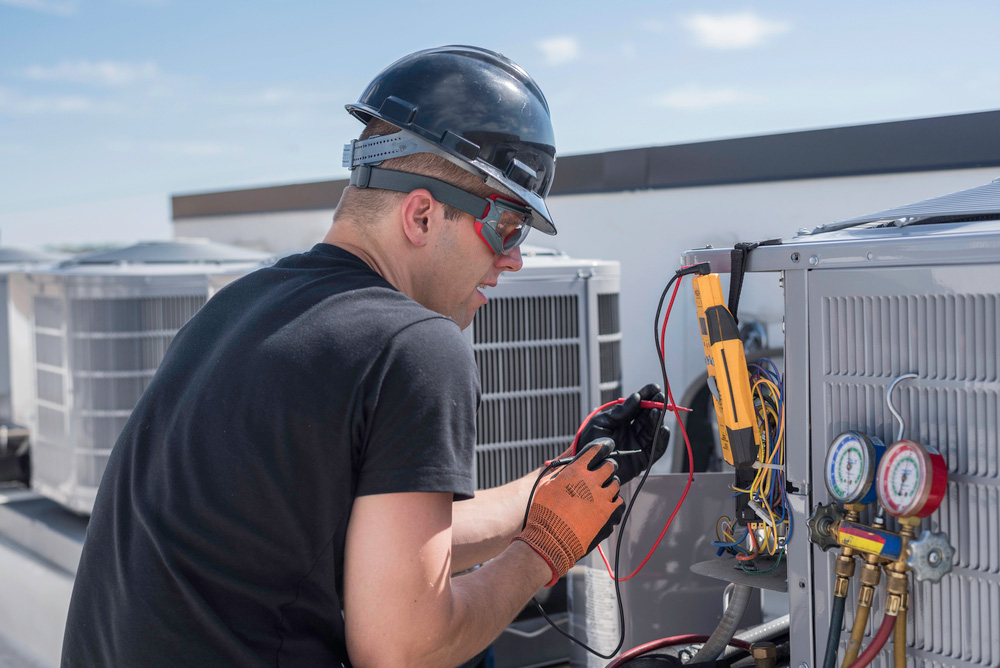
A multimeter with a capacitance setting allows you to measure the capacitor’s ability to store charge. Compare your reading with the capacitor’s rated value printed on the side. If the reading falls significantly outside the tolerance range, the capacitor is failing or already bad. Testing with a multimeter is the most reliable way to confirm the issue.
Signs of Bulging or Leaking Capacitors
Bulging tops, fluid leaks, or visible corrosion are classic signs of a failing capacitor. These symptoms indicate that the internal electrolyte is breaking down, which will eventually prevent the capacitor from functioning correctly. Don’t wait—replace the capacitor immediately to prevent system damage.
Replacing a Faulty AC Capacitor
Choosing the Right Replacement Capacitor
When it comes to replacement, matching the microfarad (µF) rating and voltage of your old capacitor is crucial. Using the wrong capacitor can damage the motor or create safety hazards. Most HVAC supply stores or professional technicians can help you select the correct replacement.
Step-by-Step Replacement Guide
- Turn off power at the breaker and verify no electricity is present.
- Discharge the old capacitor safely.
- Take a photo or make notes of the wiring connections.
- Remove the old capacitor.
- Install the new capacitor, connecting wires exactly as they were.
- Restore power and test your AC system.
If you’re uncomfortable working with electrical components, it’s always safer to call a professional.
Preventing Capacitor Failures
Regular Maintenance Tips
Keeping your AC clean and performing regular maintenance can extend capacitor life. Check for loose wires, dirty coils, and worn motors. Simple tasks like cleaning debris and lubricating motors can reduce stress on the capacitor and prevent premature failure.
Monitoring Voltage Fluctuations
Voltage spikes or drops can damage capacitors over time. Consider using surge protectors or whole-home voltage protection to prevent sudden spikes. Stable electricity helps capacitors last longer and keeps your AC running efficiently.
When to Call Done Deal A/C & Heating Katy
Expert Diagnosis and Repair
If you’re not sure about testing or replacing a capacitor safely, call Done Deal A/C & Heating Katy. Their trained technicians specialize in diagnosing AC issues and can quickly determine if your capacitor is failing. They have the tools, experience, and knowledge to fix your system safely and efficiently.
Advantages of Professional Service
Hiring a professional ensures proper installation, prevents electrical hazards, and can uncover hidden issues before they become expensive problems. Professionals also guarantee their work, giving you peace of mind that your AC will continue running smoothly.
Done Deal A/C & Heating Katy Serving the Grand Lakes Phase 4 Community and Beyond in Katy
Done Deal A/C & Heating Katy is dedicated to serving the diverse needs of the local community of Katy, including individuals residing in neighborhoods like Grand Lakes Phase 4. With its convenient location near landmarks such as the Grand Lakes Park and major intersections like Monarch Lake Ln. & Sedalia Brook Ln. (coordinates: 29.72243206788163, -95.77506679999999), we offer air conditioner replacement Katy TX services.
Get Air Conditioner Replacement at Grand Lakes Phase 4 Now
Navigate from Grand Lakes Phase 4 to Done Deal A/C & Heating Katy Now
Protect Your AC and Keep Your Home Comfortable
Spotting a bad AC capacitor early can save your system and your comfort. Watch for signs like sluggish starts, unusual noises, reduced cooling, and frequent cycling. Always prioritize safety when inspecting your capacitor, and don’t hesitate to call Done Deal A/C & Heating Katy for professional assistance. A little attention now can prevent a major breakdown later.
FAQs
1. How long does an AC capacitor last?
Most AC capacitors last 10–15 years, but extreme heat, frequent cycling, and voltage fluctuations can shorten their lifespan.
2. Can I run my AC with a bad capacitor?
Running an AC with a failing capacitor is risky. It may operate inefficiently, overheat, or fail completely, causing more damage.
3. How much does it cost to replace an AC capacitor?
Replacement typically ranges from $100–$300, including labor. Prices vary based on your AC unit and location.
4. Can a capacitor fail suddenly?
Yes. Capacitors sometimes fail without warning, especially if they are old or exposed to electrical stress.
5. Are all capacitors the same?
No. Each motor and AC system has specific microfarad and voltage ratings. Installing the wrong capacitor can damage your system.
DONE DEAL AC
THE BEST AC & HEATING SERVICES IN TOWN