





How Can I Extend the Life of My AC with Maintenance?
January 9, 2026
If your air conditioner could talk, it would probably say: “Please stop making me work this hard.” And honestly? In Cinco Ranch Greenway Village, your AC does work hard. Long cooling seasons, sticky humidity, and the everyday dust-and-life that builds up inside a home can make your system age faster than it should.
Here’s the good news: you don’t need a new unit to get better performance. You need better habits.
This guide goes deeper than the usual “change your filter” advice. You’ll learn what actually wears your AC down, what maintenance tasks matter most, how often to do them, what you can DIY safely, and when to call in a pro like Done Deal A/C & Heating Katy to keep things running right.
Let’s help your AC live a long, efficient, drama-free life.
Why AC Lifespan Depends on Maintenance (More Than You Think)
Your AC isn’t a magical cold-air machine. It’s a system—more like a relay team. Refrigerant moves heat, coils transfer it, fans push air, and electrical parts coordinate the whole show. When one part is dirty, restricted, or failing, the others don’t “pick up the slack” gracefully. They get strained.
Think of it like running with a backpack full of bricks. You can do it… but you’ll burn out faster.
Maintenance keeps your AC from running with bricks on its back.
The Wear-and-Tear Story Happening Inside Your System
Every cooling cycle creates heat in motors and electrical components, vibration in fans and compressors, pressure changes in the refrigerant loop, and moisture as condensation forms and drains away.
None of that is a problem on its own. It’s what the AC is designed to handle. The problem starts when airflow is poor, coils are dirty, or refrigerant is low—because then the system has to run longer, hotter, and harder to do the same job.
Longer runtime equals more strain. More strain equals shorter life.
What Shortens AC Life Fastest
If you want the short list of “things that kill ACs early,” here it is: dirty air filters and restricted airflow, filthy coils, drain line clogs and moisture backup, low refrigerant caused by leaks, electrical wear like capacitors and contactors, duct leaks and high static pressure, and chaotic thermostat habits that trigger short cycling. Most of these are preventable, which is why maintenance is such a big deal.
Know Your AC’s Enemies in Cinco Ranch Greenway Village
Maintenance isn’t one-size-fits-all. Your AC’s “work environment” matters. In Cinco Ranch Greenway Village, the AC often runs long hours, humidity increases condensation load, and routine dust buildup can quietly choke airflow over time.
Heat Load, Long Run Times, and Humidity
When your AC runs a lot, motors heat up more often, capacitors wear out sooner, coils collect more dirt because more air is moving across them, and drain lines see more water and more chances to clog. Humidity makes that drain system especially important. More moisture removed from air equals more water traveling through a line that can clog.
Dust, Pet Hair, and Everyday Indoor Air
Even if your home looks clean, the air isn’t empty. Cooking, candles, pets, normal dust, and everyday life all float around and end up in your AC filter. If you have pets, that buildup accelerates. If you run the system constantly, it accelerates again. That’s why filter changes aren’t optional—they’re protection.
Why Small Air Leaks Create Big Problems
Duct leaks are sneaky. They cause you to lose cooled air into spaces you don’t live in and can pull dusty air from places you don’t want. That forces longer run times and adds more debris to the system. It’s like filling a leaky bucket while someone keeps tossing dirt into it.
The Maintenance Basics That Add Years (Not Just Months)
Let’s talk about the highest-impact tasks—the ones that actually extend the life of the system.
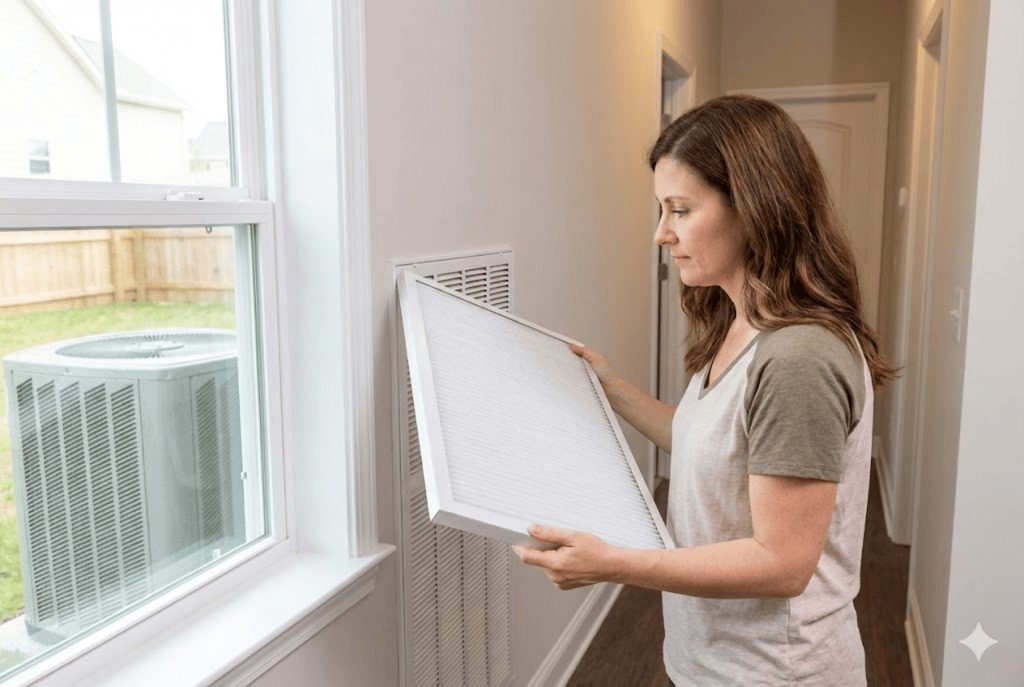
1) Replace or Clean the Air Filter on Schedule
This is your number one maintenance move. A dirty filter causes poor airflow, colder-than-normal evaporator coil temperatures that can lead to icing, higher blower motor strain, more dust sticking to the indoor coil, and longer run times. A simple habit helps: check monthly and change it when it looks loaded, not when it looks like a science experiment.
How to Pick the Right Filter Without Choking Airflow
Higher-rated filters can capture more particles, but they can also restrict airflow if your system isn’t designed for them. That’s like trying to sprint while wearing a heavy-duty respirator. Often the smartest move is a balanced filter changed more frequently instead of an ultra-dense filter left too long.
2) Keep the Outdoor Unit Clear and Breathing
Your outdoor unit needs to move air freely to dump heat outside. When it can’t, your system runs hotter, pressures rise, and stress increases. Keep the area clean and open.
The 2-Foot Rule Around the Condenser
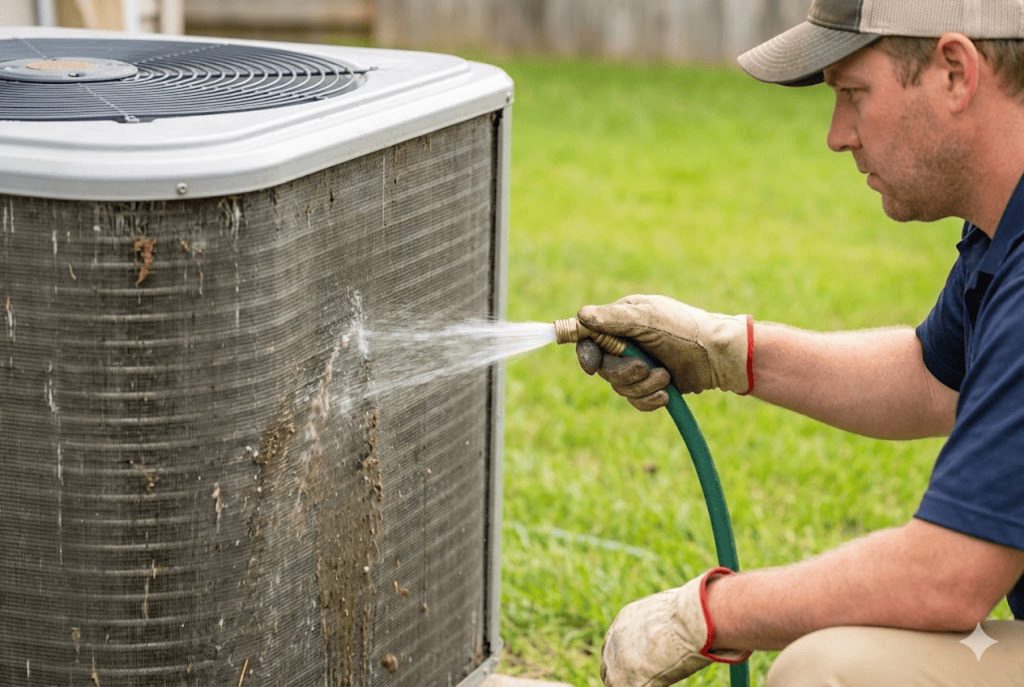
Give the condenser about two feet of clearance around all sides. Remove leaves, tall weeds, overgrown shrubs, grass clippings, and anything leaning against it. Avoid pressure washing—gentle rinsing is fine, but high pressure can bend fins and reduce airflow.
3) Clean Supply and Return Vents
This isn’t about looks. It’s about airflow. Returns pull warm air back into the system; if they’re blocked by furniture or rugs, your AC struggles to inhale. Supply vents push cool air out; if they’re clogged or blocked, rooms cool unevenly, and the thermostat keeps calling for more cooling. Vacuum vents lightly and keep returns unobstructed.
4) Protect the Coils: Evaporator and Condenser
Your indoor evaporator coil absorbs heat from your home. Your outdoor condenser coil releases that heat outside. Dirty coils reduce heat transfer, which means longer run times, higher electrical draw, hotter operating conditions, and more strain on the compressor and fan motors.
What Dirty Coils Do to Efficiency and Longevity
Dirty coils can quietly shave years off a system by forcing it to run longer and hotter. Since the compressor is the most expensive component, coil cleanliness is one of the best “insurance policies” you can give your AC.
Refrigerant Health: Why “Topping Off” Isn’t Maintenance
Refrigerants don’t get “used up.” If your system is low, there’s typically a leak or a charging issue that needs proper diagnosis. Topping off without fixing the cause is like adding air to a tire with a nail in it.
What Low Refrigerant Really Means
Low refrigerant can cause weak cooling, coil icing, abnormal pressures, and longer runtimes. Longer runtimes strain everything, especially the compressor.
How Leaks Stress the Compressor
When refrigerant levels are off, the compressor operates under abnormal conditions. Over time, that can shorten its life dramatically. This is one reason professional checks matter—because guessing wrong here can get expensive.
Airflow Is Everything: Static Pressure, Ducts, and Balancing
If your AC seems to “work” but comfort is inconsistent, airflow is often the missing piece.
The Most Common Airflow Problems Homeowners Miss
Too many closed vents raise pressure. Dirty blower wheels reduce airflow. Duct leaks waste cooling. Blocked returns starve the system. Filters that restrict airflow can also cause strain. These issues can hide in plain sight until your energy bill calls them out.
When Duct Sealing Makes Sense
Duct sealing can help if rooms never match the thermostat comfort level, dust is excessive, bills are higher than expected, or the system runs too long to cool. Less wasted air means shorter runtimes, and shorter runtimes mean less wear.
Thermostat Smarts: Stop Making Your AC Work Overtime
Your thermostat is your AC’s coach. A smart coach trains for consistency, not chaos.
Ideal Settings for Comfort Without Punishing the System
Setting the thermostat drastically lower doesn’t cool faster—it only makes the system run longer. A stable, realistic setpoint is easier on components and helps humidity stay more consistent.
Scheduling and “Setbacks” That Actually Help
Huge setbacks and big recovery drops can force your system into long, punishing run cycles. Smaller adjustments tend to be gentler, more comfortable, and often more efficient.
Electrical Components: Small Parts, Big Failures
Some of the most common breakdowns are caused by parts most homeowners never think about, like capacitors and contactors.
Capacitors, Contactors, and Why They Fail
Capacitors help motors start and run. Contactors act like heavy-duty switches. Heat and repeated cycling wear them down. When they fail, your AC may not start, may buzz, may short cycle, or may trip breakers.
Warning Signs Before the AC Won’t Start
Watch for clicking with no start, buzzing near the outdoor unit, frequent cycling, random shutdowns, or breaker trips. These are early warnings that deserve attention.
Seasonal AC Maintenance Checklist (Homeowner-Friendly)
A simple seasonal routine keeps you consistent without turning maintenance into a second job.
Spring: Pre-Season Tune-Up Tasks
Change the filter, clear debris around the outdoor unit, run the system early and listen for odd sounds, check for water issues near the indoor unit, and make sure vents and returns are not blocked.
Summer: Keep It Stable During Peak Demand
Check filters more often, keep the outdoor unit area clean, watch for humidity or drain line symptoms, and avoid extreme thermostat swings.
Fall/Winter: Protect and Prep
Replace the filter, clear outdoor debris after storms or seasonal changes, schedule service if you skipped it, and address comfort issues while demand is lower.
When DIY Stops and a Pro Should Step In
DIY can go a long way, but certain tasks should be handled by licensed professionals for safety, accuracy, and warranty protection.
Maintenance Tasks You Can Do Safely
You can replace filters, keep vents clear, gently rinse the outdoor unit with the power off, maintain clearance around the condenser, and monitor comfort patterns and humidity.
Tasks You Should Leave to Licensed Techs
Refrigerant diagnostics, electrical repairs, indoor coil cleaning, blower motor repairs, static pressure testing, and deeper duct diagnostics belong in the hands of trained pros with the right instruments.
Done Deal A/C & Heating Katy Serving the Cinco Ranch Greenway Village Community and Beyond in Katy
Done Deal A/C & Heating Katy is dedicated to serving the diverse needs of the local community of Katy, including individuals residing in neighborhoods like Cinco Ranch Greenway Village. With its convenient location near landmarks such as the Falcon Point Neighborhood Park and major intersections like Greenway Village Dr. and Highland Knolls Dr. (coordinates: 29.758404932118378, -95.77506679999999), we offer AC maintenance Katy Tx services.
Get AC Maintenance Services At Cinco Ranch Greenway Village Now
Navigate from Cinco Ranch Greenway Village to Done Deal A/C & Heating Katy Now
Treat Your AC Like a Car, Not a Toaster
If you treat your AC like a toaster—push a button and ignore it—you’ll eventually pay for it with breakdowns, high bills, and uncomfortable days at the worst possible time. But if you treat it like a car—basic upkeep, clean airflow, and occasional professional checkups—you’ll stretch its lifespan, reduce repairs, and keep your home consistently comfortable.
In Cinco Ranch Greenway Village, your AC earns its paycheck. Maintenance is the strategy that keeps it running strong.
FAQs
1) How long should an AC last with good maintenance?
Many systems reach the higher end of their expected lifespan when filters are changed consistently, coils stay clean, and performance issues like refrigerant leaks are handled early.
2) How often should I change my AC filter?
Check monthly and change when it’s visibly loaded. Homes with pets, heavier dust, or longer run times often need more frequent changes.
3) Is professional maintenance really worth it?
Yes, because technicians can test refrigerant performance, electrical health, drainage systems, and airflow indicators that are difficult to diagnose accurately without specialized tools.
4) Can a dirty outdoor unit really reduce AC life?
Yes. Restricted airflow around the condenser increases operating temperatures and pressures, which adds stress to motors and the compressor.
5) Why does my AC keep shutting off randomly?
Common causes include drain line clogs triggering safety shutoffs, electrical component issues, overheating, or control problems. Random shutdowns should be checked sooner rather than later.
DONE DEAL AC
THE BEST AC & HEATING SERVICES IN TOWN