





Why AC Failures Often Happen At Night Or On Weekends
February 6, 2026
Air conditioning problems have an uncanny habit of showing up at the worst possible times. For many homeowners in Cinco Ranch North Lake Village, AC systems seem to fail late at night, early in the morning, or right as the weekend begins. These inconvenient breakdowns are not a coincidence. They are the result of how air conditioning systems operate, how heat stress builds over time, and how small issues can quietly worsen until they finally cause a shutdown.
Understanding why AC failures often happen at night or on weekends can help homeowners recognize early warning signs, reduce the risk of unexpected breakdowns, and know when to seek professional help. With support from trusted local providers like Done Deal A/C & Heating Katy, residents can stay better prepared and protected when cooling systems fail outside of normal business hours.
In this guide, we’ll break down the mechanical, environmental, and usage-related reasons behind after-hours AC failures, and explain what homeowners can do to minimize disruptions and protect long-term system performance.
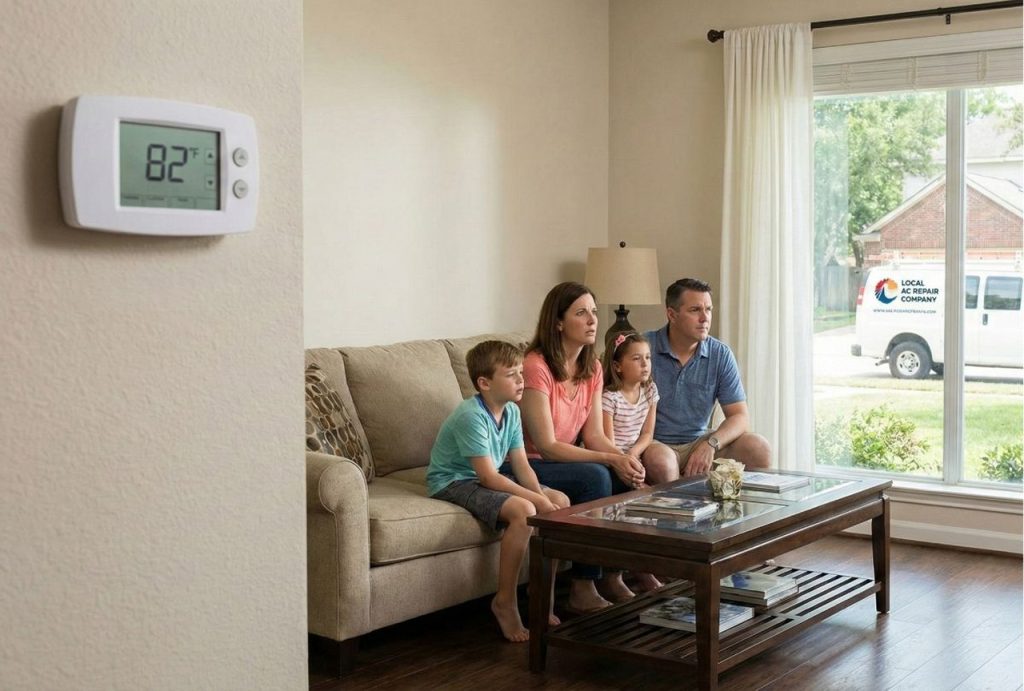
How AC Systems Work Under Daily Stress
Air conditioning systems are designed to handle steady workloads, but extreme heat and continuous use push them closer to their limits. The strain builds gradually, often unnoticed, until a critical component finally gives out.
Continuous Operation During Hot Days
During hot weather, AC units often run for long, uninterrupted cycles throughout the day. In Cinco Ranch North Lake Village, extended daytime heat means systems may only get short breaks—if any—before cycling back on. This sustained operation increases internal temperatures, electrical load, and mechanical stress.
Heat Accumulation Over Time
Components such as compressors, motors, and electrical capacitors absorb heat as they operate. Even if the system seems to cool properly during the day, internal stress may continue to rise. By nighttime, when temperatures drop slightly but systems are still running, overheated parts may finally fail.
Why AC Failures Commonly Occur at Night
Many homeowners are surprised when an AC system stops working late at night, but there are several logical reasons for this pattern.
Delayed Breakdown After Peak Usage
The hottest part of the day is usually late afternoon. During this period, AC systems work hardest. However, components rarely fail instantly. Instead, damage accumulates throughout the day and triggers a shutdown hours later—often at night.
Electrical Components Reach Their Limits
Capacitors, contactors, and wiring are especially vulnerable to heat-related stress. After hours of heavy operation, these components may lose efficiency or fail entirely. Nighttime is often when the system finally can’t sustain normal function.
Thermostat and Sensor Adjustments
At night, homeowners may lower thermostat settings for sleeping comfort. This sudden demand for extra cooling can push an already stressed system beyond its capacity, revealing problems that were building all day.
Why AC Failures Are Common on Weekends
Weekends are another peak time for AC breakdowns, and the reasons go beyond bad luck.
Longer Home Occupancy
On weekends, more people are typically home throughout the day. Doors open more frequently, appliances are used more often, and overall heat load inside the home increases. The AC system must work harder to maintain comfortable temperatures.
Deferred Maintenance and Repairs
Many homeowners notice early warning signs during the week but postpone addressing them due to work schedules. By the weekend, small issues—like weak airflow or unusual noises—may escalate into full system failures.
Peak Heat Patterns
Heat waves often span multiple days. By the time the weekend arrives, AC systems may already be operating under accumulated stress from several consecutive hot days, increasing the likelihood of failure.
The Role of Heat Stress in AC Breakdowns
Heat stress is one of the most significant contributors to after-hours AC failures.
Compressor Overload
The compressor is the heart of the AC system. Prolonged exposure to high temperatures and continuous operation can cause it to overheat. When internal safety mechanisms activate, the compressor may shut down to prevent permanent damage—often during late-night hours.
Refrigerant Pressure Imbalances
High outdoor temperatures increase refrigerant pressure. If levels are already low or airflow is restricted, pressure imbalances can worsen over time, eventually causing the system to stop cooling effectively.
Fan and Motor Fatigue
Fans and motors work nonstop during hot periods. Bearings can wear down, and motors may overheat. These failures often occur after extended runtime, which explains why systems frequently stop working at night or over the weekend.
Electrical Issues That Surface After Hours
Electrical problems are another major cause of inconvenient AC failures.
Capacitor Wear and Tear
Capacitors help start and run AC motors. Over time, heat exposure weakens their ability to hold a charge. After a long day of operation, a failing capacitor may finally stop working, leaving the system unable to start.
Power Fluctuations
Even minor voltage fluctuations can affect stressed electrical components. After hours of heavy use, these fluctuations may be enough to trigger a system failure.
Aging Wiring Connections
Loose or corroded wiring connections can worsen with heat expansion. As temperatures fluctuate overnight, these connections may fail, causing intermittent or complete system shutdowns.
Environmental Factors That Contribute to Timing
The environment surrounding your home also plays a role in when AC systems fail.
Outdoor Temperature Changes
While evenings are cooler, the sudden shift in temperature can stress components that expanded during the day. This contraction can expose weaknesses in parts that were already compromised.
Humidity Levels
Higher humidity levels at night force AC systems to work harder to remove moisture from indoor air. This additional workload can push a struggling system over the edge.
Debris and Airflow Restrictions
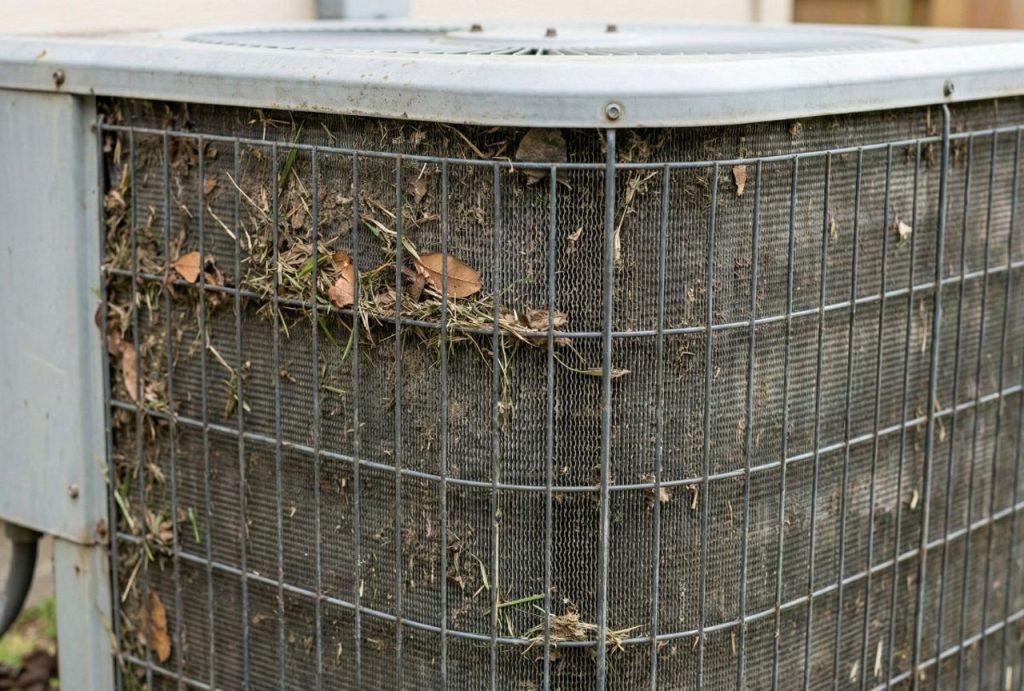
Outdoor units can accumulate debris during the day. Reduced airflow increases heat retention inside the system, leading to delayed overheating and nighttime failures.
Why AC Problems Often Go Unnoticed Until After Hours
Many AC issues develop quietly and don’t cause immediate system failure.
Gradual Performance Decline
Cooling performance may slowly decrease over time. Homeowners may adjust thermostats or ignore minor discomfort, unknowingly masking the real problem.
Background Noise During the Day
Unusual sounds from an AC unit may go unnoticed during daytime activities. At night, when the home is quieter, problems become more apparent—or result in a complete failure.
Temporary Workarounds
Systems can sometimes compensate for issues temporarily. For example, a failing capacitor may still function intermittently until it finally stops working, often after hours.
The Impact of After-Hours AC Failures on Home Comfort
An AC breakdown outside normal business hours can significantly affect daily life.
Disrupted Sleep
Lack of cooling at night can lead to poor sleep quality, fatigue, and discomfort for the entire household.
Health and Safety Concerns
High indoor temperatures can pose health risks, especially for older adults, children, and individuals with medical conditions.
Increased Stress and Uncertainty
Unexpected AC failures create stress, particularly when homeowners are unsure how quickly help will arrive or how serious the problem may be.
How Preventive Maintenance Reduces After-Hours Failures
While not all AC failures can be prevented, regular maintenance greatly reduces the risk.
Early Detection of Weak Components
Routine inspections help identify worn capacitors, low refrigerant levels, and airflow issues before they cause system shutdowns.
Improved System Efficiency
Clean coils, proper airflow, and well-lubricated components reduce overall strain, making after-hours failures less likely.
Better Reliability During Peak Use
Well-maintained systems handle extended runtime more effectively, lowering the chances of nighttime or weekend breakdowns.
The Importance of Being Prepared for After-Hours AC Issues
Even with maintenance, unexpected failures can still happen. Preparation makes a difference.
Recognizing Warning Signs
Homeowners should watch for:
- Warm air from vents
- Weak or uneven airflow
- Unusual noises or odors
- Frequent cycling
Addressing these signs early can prevent inconvenient breakdowns.
Knowing Who to Call
Having a trusted HVAC provider already in mind saves time and stress when an AC failure happens outside regular hours.
Understanding System Limitations
Knowing how your AC system responds to extreme heat helps set realistic expectations and encourages proactive care.
Long-Term Benefits of Addressing AC Issues Early
Taking action before problems escalate provides lasting advantages.
Lower Repair Costs
Fixing small issues early prevents expensive component failures.
Extended System Lifespan
Reduced stress and proper care help AC systems last longer.
Consistent Comfort
Reliable cooling improves daily comfort and peace of mind, regardless of the time or day.
Done Deal A/C & Heating Katy Serving the Cinco Ranch North Lake Village Community and Beyond in Katy
Done Deal A/C & Heating Katy is dedicated to serving the diverse needs of the local community of Katy, including individuals residing in neighborhoods like Cinco Ranch North Lake Village. With its convenient location near landmarks such as the Torchlite Terrace Park and major intersections like Cinco Ranch Blvd. and Commercial Center Blvd. (coordinates: 29.740418500000004, -95.77506679999999), we offer AC maintenance Katy Tx services.
Get AC Maintenance At Cinco Ranch North Lake Village Now
Navigate from Cinco Ranch North Lake Village to Done Deal A/C & Heating Katy Now
FAQs
- Why does my AC seem to fail late at night?
AC systems often fail at night due to accumulated heat stress from daytime operation, which causes worn components to finally give out hours later.
- Are weekend AC failures more common?
Yes. Extended system use, deferred maintenance, and multi-day heat waves increase the likelihood of weekend breakdowns.
- Can regular maintenance really prevent after-hours failures?
Regular maintenance significantly reduces the risk by identifying and fixing issues before they escalate into major failures.
- Is it dangerous to wait until morning to fix an AC failure?
In hot conditions, waiting can lead to uncomfortable or unsafe indoor temperatures, especially for vulnerable individuals.
- What should I do if my AC fails outside normal business hours?
Turn off the system to prevent further damage and contact a trusted HVAC professional as soon as possible to restore cooling safely.
DONE DEAL AC
THE BEST AC & HEATING SERVICES IN TOWN